
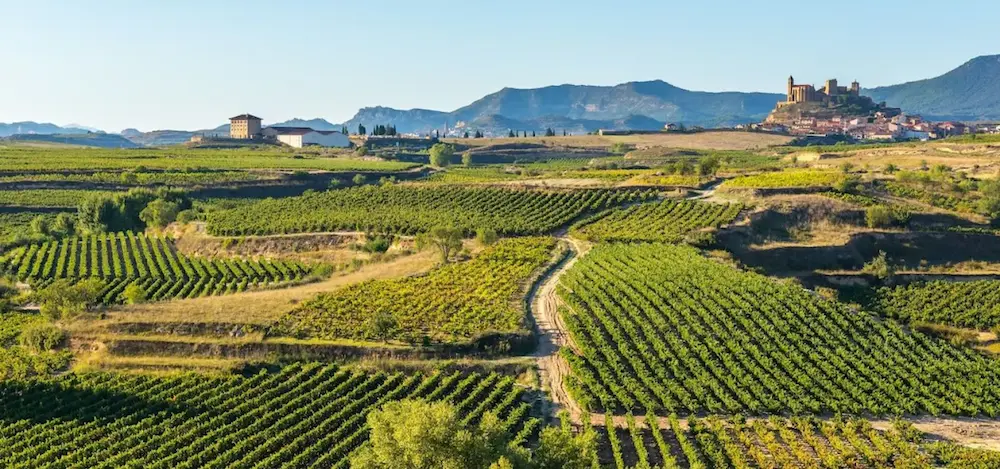
The Swallow Don’t Spit Guide to La Rioja: 100 Years of Wine, Rules, and Revolution
“In wine, there’s truth. In Rioja, there’s tradition… and a whole lot of Tempranillo.”
– Probably said by someone halfway through a bottle of Gran Reserva
La Rioja is Spain’s most iconic wine region. The name appears on menus, supermarket shelves, and wine lists all over the world — often as the first Spanish red anyone outside Spain ever tries. But how much do most people actually know about it?
In 2025, La Rioja celebrates 100 years as a Denominación de Origen — a century of rules, barrels, and beautifully stubborn tradition. It was the first region in Spain to be granted DOCa status (Denominación de Origen Calificada), marking it as a place of exceptional, historic quality.
But Rioja is no museum piece. It’s a region of contrasts: old vines and new voices, ancient caves and cutting-edge architecture, rustic rosados and single-vineyard Tempranillos aged in French oak. Some winemakers cling to the methods of their great-grandparents. Others are throwing the rulebook out the bodega window.
This guide is your map to modern Rioja — whether you’re booking a trip, buying a bottle, or trying to wrap your head around the difference between Crianza and Gran Reserva. Because even after 100 years, Rioja is still evolving, and still worth getting excited about.
La Rioja Fast Facts
-
Region Name: DOCa Rioja
-
First Classified: 1925 (DO), 1991 (DOCa — the first in Spain)
-
Location: North-central Spain, across the autonomous communities of La Rioja, the Basque Country (Álava), and a sliver of Navarra
-
Climate: Mix of Atlantic, Mediterranean, and continental influences
-
Subregions:
-
Rioja Alta – Elegant, structured reds
-
Rioja Alavesa – Fresh, high-altitude wines with finesse
-
Rioja Oriental (formerly Baja) – Riper, warmer, fuller-bodied styles
-
-
Main Grapes:
-
Reds: Tempranillo, Garnacha, Graciano, Mazuelo (Cariñena)
-
Whites: Viura (Macabeo), Tempranillo Blanco, Malvasía, Garnacha Blanca
-
-
Famous For: Oak-aged red wines, classic Crianza/Reserva styles, and an ageing system that defines Spanish wine globally
-
Annual Production: Over 300 million litres, with about 90% red wine
-
Top Export Markets: UK, Germany, USA, Switzerland, the Netherlands
-
Iconic Towns: Haro, Logroño, Laguardia
-
Wine Tourism Vibe: Mix of grand old bodegas, sleek modern architecture, and warm, small-town hospitality
Where Is La Rioja and What Makes It Special?
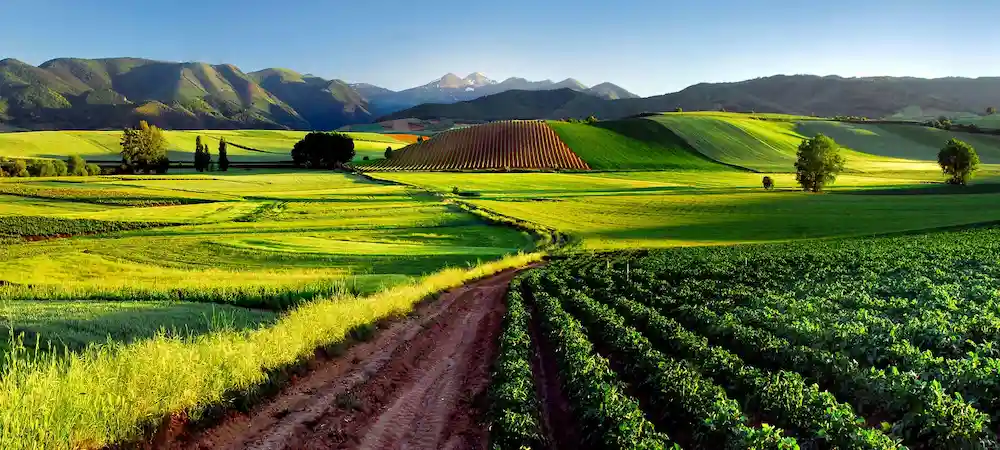
La Rioja sits in north-central Spain, tucked between the Ebro River and the Sierra de la Demanda mountains. It’s not a huge region — you could drive across it in a couple of hours — but in wine terms, it punches far above its weight.
Technically, the DOCa Rioja spans three administrative regions:
-
The autonomous region of La Rioja (confusing, we know)
-
A chunk of the Basque Country (specifically, Rioja Alavesa)
-
A small bit of Navarra
The whole area follows the course of the Ebro River, with most vineyards clustered along its banks and climbing into the surrounding hills. It’s this mix of altitude, latitude, and river influence that makes La Rioja so good for grapes. You get warm days, cool nights, varied soils, and a long, gentle ripening season — a perfect recipe for balance and ageing potential.
Subregions of La Rioja: A Quick Overview
La Rioja might be a single Denominación de Origen Calificada (DOCa), but it’s far from uniform. The region is divided into three officially recognised subzones, each with distinct geography, climate, and — most importantly — wine styles. If you’re reading a bottle label and see Rioja Alta, Rioja Alavesa, or Rioja Oriental (formerly Baja), you’re getting a hint of the wine’s personality before it hits your glass.
Rioja Alta
Located in the western part of the region, Rioja Alta sits at higher elevations, with cooler temperatures and a mix of clay and limestone soils. This is where you’ll find some of Rioja’s most age-worthy reds — elegant, structured, and built for the long haul. Think classic Rioja: mellow oak, spice, and balance.
Key towns: Haro, Briones, Cenicero
What to expect: Traditional styles, longer barrel ageing, top-tier Gran Reservas
Rioja Alavesa
Technically in the Basque Country, Rioja Alavesa is a small but mighty subregion tucked into the foothills of the Sierra de Cantabria. Its high-altitude vineyards, chalky soils, and Atlantic influence produce fresh, vibrant wines with juicy acidity and delicate aromas. It’s also a hotspot for innovation and boutique producers.
Key towns: Laguardia, Elciego, Labastida
What to expect: Youthful vibrancy, modern expressions, great value single-vineyard wines
Rioja Oriental
Formerly known as Rioja Baja, this eastern subregion is flatter, warmer, and sunnier — more Mediterranean in climate. Here, Garnacha thrives alongside Tempranillo, and the wines are typically fuller-bodied, fruit-forward, and ready to party. It’s Rioja’s wild child.
Key towns: Alfaro, Calahorra, Aldeanueva de Ebro
What to expect: Powerful reds, less oak, riper fruit, Garnacha blends
For a full breakdown on La Rioja’s subregions, jump here
Why La Rioja Stands Out
Most wine regions are known for a grape. Rioja is known for a style — the whole Crianza/Reserva/Gran Reserva thing (we’ll get to that). It’s also famous for ageing in American oak barrels, which give the wines a signature flavour: coconut, dill, vanilla, and spice.
But what really makes La Rioja special is its ability to bridge the past and the present. It’s one of the few places where you can taste 100-year-old tradition in one glass and wild natural wine in the next — and both feel totally authentic.

A Century of Wine: La Rioja’s 100-Year History
In 1925, La Rioja became the first Spanish wine region to be officially recognised as a Denominación de Origen (DO) — and in 2025, it celebrates 100 years of regulated, reputation-defining winemaking. But the real story starts long before that, in Roman times, when the first vines were planted along the Ebro River and the region started building its relationship with wine.
Bordeaux’s Influence
In the late 1800s, phylloxera — the vineyard-killing louse — devastated French vineyards. Many Bordeaux winemakers crossed the Pyrenees into Rioja, bringing with them barrel-ageing know-how and quality-focused techniques. The result? A massive upgrade in Rioja wine and the birth of a more structured, exportable style.
This is when oak ageing became a hallmark of Rioja — not just as a winemaking decision, but a cultural identity. And while the French used French oak, Rioja fell in love with American oak, which was cheaper, more available, and gave the wines that unmistakable vanilla-dill signature.
The Rise of Regulation
By the early 20th century, Rioja wines were already gaining international fame. In 1925, the DO was born to protect that growing reputation — and in 1991, Rioja became the first Spanish wine region to achieve DOCa (Denominación de Origen Calificada) status, recognising not just quality, but consistency over decades.
This meant:
-
Stricter rules on ageing, grape sourcing, and bottling
-
Mandatory bottling within the region
-
Council oversight for everything from alcohol levels to label wording
In short, Rioja turned into Spain’s flagship wine brand — and set the template for what a “serious” Spanish wine region should look like.
Tradition vs. Innovation
By the early 2000s, some saw Rioja’s success as its limitation. Too much sameness. Too many over-oaked bottles. A new wave of winemakers — often younger, often working with old vineyards their parents sold to co-ops — started challenging the system.
Instead of long barrel ageing, they focused on:
-
Single-vineyard wines
-
Minimal oak or neutral barrels
-
Garnacha and Graciano revival
-
Terroir over tradition
Today, Rioja is more dynamic than ever. Big names still produce iconic, age-worthy reds in the traditional style, but you’ll also find natural wines, biodynamic farming, amphora fermentations, and more. 100 years in, Rioja isn’t just surviving — it’s reinventing itself from the inside.
What Wines Come from La Rioja?
When people say “Rioja,” they usually mean red wine — and that’s fair. About 90% of all wine produced in the region is red. But Rioja is much more than just Tempranillo with a tan. The region makes serious whites, sophisticated rosés, and increasingly varied styles that go beyond the classic Crianza-Reserva-Gran Reserva ladder.
Here’s what to expect:
Red Rioja: Tempranillo and Friends
The king grape of Rioja is Tempranillo — the early-ripening, structured, cherry-scented variety that defines the region’s style. But it rarely works alone. Rioja reds are often blends, featuring:
-
Garnacha – Adds juiciness, red fruit, and warmth
-
Graciano – High-acid, floral, and excellent for ageing
-
Mazuelo (Cariñena) – Earthy backbone and tannin
-
Maturana Tinta – Rare and increasingly appreciated for spice and depth
Rioja reds can range from fresh and fruit-forward to earthy, leathery, and oak-laden, depending on the grape mix, winemaking style, and especially the ageing classification (more on that below).
White Rioja: The Underdog’s Glow-Up
Once oxidised and forgotten, white Rioja is having a major revival. The main grape is Viura (aka Macabeo), but others like Tempranillo Blanco, Garnacha Blanca, Malvasía, and Maturana Blanca are making the scene more diverse — and delicious.
Styles range from:
-
Crisp, unoaked whites perfect for hot days and seafood
-
To barrel-aged, structured whites with body, spice, and serious ageing potential
White Rioja is increasingly complex, surprising, and great value — and many producers now treat it with the same care and status as their reds.
Rosado (Rosé): Not an Afterthought
Rioja rosado is dry, food-friendly, and often more serious than it looks. It’s typically made from Garnacha and/or Tempranillo, sometimes with white grapes blended in. Expect:
-
Light colour, but not insipid
-
Fresh red berry fruit
-
Hints of spice and savoury depth
It’s a go-to summer wine in Spain — and totally under-appreciated abroad.
Rioja’s Famous Ageing System
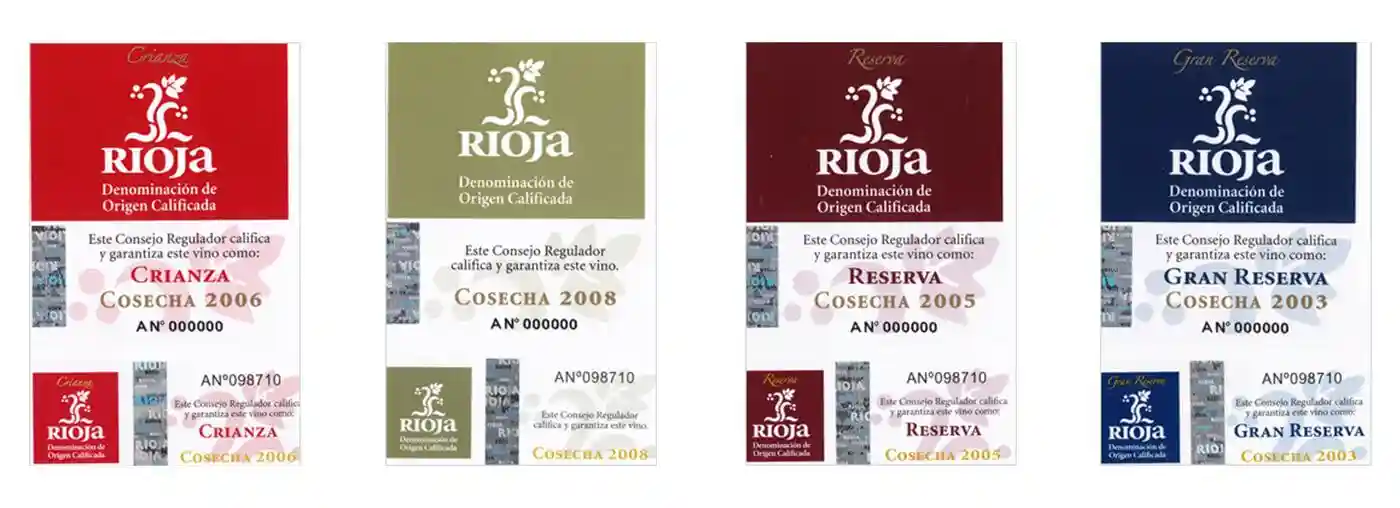
One of the things that defines Rioja — and confuses newcomers — is its ageing classification. This system is legally enforced and appears on most bottles:
-
Joven – No oak or minimal ageing. Fresh, fruity, drink-now wines.
-
Crianza – Aged at least 2 years, with 1 year in barrel (reds). Balanced between fruit and spice.
-
Reserva – 3 years minimum, with 1 year in barrel and 6 months in bottle. More complexity, smooth tannins, elegant ageing.
-
Gran Reserva – 5+ years ageing, including at least 2 years in barrel. Traditional Rioja at its most regal — often leathery, savoury, and cellar-worthy.
For our full breakdown on La Rioja’s oak ageing system, decant here.
Note: White and rosado wines have shorter barrel requirements.
While this system helps define style, it’s not the full story anymore. Many modern Rioja producers are now releasing non-classified wines that focus on vineyard or grape expression over time spent in wood. These may be labelled as Viñedo Singular (single vineyard) or simply sold without classification — and they’re often where the magic is happening.
Visiting the La Rioja Wine Region
La Rioja is one of the best wine regions in the world to visit — and not just because the wine’s great. It’s compact, stunningly beautiful, full of warm, wine-soaked hospitality, and far less touristy than other famous regions. Here, you can walk into a bodega, taste world-class Tempranillo, and end up talking politics with the winemaker over a plate of patatas a la riojana.
Where to Go in Rioja
Haro – The wine capital of Rioja Alta, and home to the legendary Barrio de la Estación, where some of Rioja’s oldest and most iconic bodegas (like CVNE, La Rioja Alta, and Muga) are lined up like wine Disneyland. Also the site of La Batalla del Vino, aka San Vino — more on that below.
Laguardia – A walled medieval town in Rioja Alavesa with underground wine cellars running beneath its cobbled streets. Picture-postcard beautiful and absolutely full of wine.
Logroño – The capital of La Rioja and a lively city in its own right. Great food, buzzing bars, and an ideal home base for wine day trips. Head to Calle Laurel for a pincho crawl paired with local glasses.
San Vicente de la Sonsierra, Elciego, and Briones – Smaller villages surrounded by vines. Perfect for slow travel, walking routes, and long lunches. Elciego is home to the wildly modern Marqués de Riscal hotel, designed by Frank Gehry.
How to Get to La Rioja (Without a Car)
Spain has a decent train system, but La Rioja’s wine towns are a bit off the main high-speed rail grid. Still, you can do it without driving, especially if you like a little walking between wine stops.
-
From Madrid:
-
Train to Logroño (approx. 3.5 hours)
-
Or train to Haro via Miranda de Ebro
-
Alternatively, bus routes from Madrid or Burgos are often faster/flexible
-
-
From Barcelona:
-
Direct train to Logroño (about 4 hours)
-
Or take the fast train to Zaragoza then change for Logroño or Calahorra
-
-
From Bilbao:
-
1.5 hours by bus or car to Haro or Laguardia — great if you’re flying into Bilbao
-
-
Once you’re in Rioja, local buses and taxis work, but bike, foot, or guided transport is often better. Especially if you’re planning to swallow, not spit.
Swallow Don’t Spit Wine Experience: Camino de Vino – The Wine-Fuelled Pilgrimage
For those who want more than just tastings — Camino de Vino is the ultimate way to experience La Rioja.
We start in Haro, fuel up with wine and food, and then walk the wine-soaked trails of La Rioja for several days, ending in Pamplona just in time for San Fermín. Along the way we visit wineries, eat like kings, and camp under the stars — or glamp, depending on your level of boujee. It’s part wine trip, part pilgrimage, part outrageous adventure.
You’ll pass through rolling vineyards, medieval towns, and lesser-known bodegas that don’t take walk-ins — but do open their best bottles if you arrive dusty, smiling, and slightly sunburnt. We bring the stories, the snacks, and the good people. You bring your feet and a thirst.
Swallow Don’t Spit Wine San Vino Experience: La Batalla del Vino
Every year, on June 29, the town of Haro loses its mind in the best way possible: with a wine fight.
Known as La Batalla del Vino, or San Vino, this festival is part pilgrimage, part rave, part pagan wine worship. Thousands of people dressed in white hike up a mountain at sunrise with bottles, buckets, and water guns — and then proceed to drench each other in red wine.
We go every year — and we do it properly. That means:
-
Wine fight kits (t-shirt, bandana, water weapon)
-
Pre-wine party and post-wine feast
-
Optional detox/retox in Rioja’s vineyards the next day
-
And, of course, more wine
You’ll never look at a bottle of Rioja the same again. Or wear white without flinching.
Common Myths About Rioja Wine
Despite being one of the most famous wine regions in the world, Rioja is still wildly misunderstood. From supermarket stereotypes to outdated assumptions, here are the biggest myths we hear — and why it’s time to bin them like last night’s cork.
“Rioja is all about oak”
There was a time when every bottle of Rioja tasted like someone had dropped a vanilla-scented candle into a cherry compote — but things have changed. Yes, oak is part of Rioja’s DNA, especially American oak, but many producers now use:
-
French oak for subtler spice
-
Neutral barrels to let the fruit shine
-
Or no oak at all, especially in younger wines or single-vineyard styles
Don’t write off Rioja as “too oaky” until you’ve tried something made by the new generation. You’ll be surprised how bright, fresh, and nuanced it can be.
“Rioja only makes red wine”
Red might dominate, but white Rioja is having a serious glow-up — and rosado is way more than a summer afterthought.
-
White Rioja (Viura, Tempranillo Blanco, Malvasía) can be citrusy and clean or rich and age-worthy.
-
Rosado from Garnacha or Tempranillo is usually dry, subtle, and food-friendly.
If you’re only drinking red, you’re missing half the party.
“The older the Rioja, the better”
Not always. Ageing classification (Crianza, Reserva, Gran Reserva) tells you how long the wine spent in barrel and bottle before release — but not necessarily how it’ll taste now. Sometimes that Gran Reserva is past its peak, and a juicy young Crianza is hitting just right.
Also, many exciting Rioja wines don’t fit into the ageing system at all — like single-vineyard or minimal-intervention bottles that prioritise terroir over time.
Drink what you like, not just what’s oldest.
“Rioja is old-fashioned”
That’s the equivalent of saying Barcelona is only about Gaudí. Yes, the classics are iconic, but there’s a whole modern, rebellious Rioja brewing beneath the surface.
-
Natural wines from amphorae
-
Organic and biodynamic producers
-
Tiny garages making micro-batches from old vines
-
Single-parcel wines that defy the DO’s rules entirely
Rioja isn’t stuck in the past. It’s rewriting it — and pouring it out by the glass.
Final Sip: Why Rioja Still Rules After 100 Years
A hundred years is a long time for anything — but especially for a wine region to stay relevant, respected, and regularly refilled in glasses around the world. And yet, here we are: Rioja at 100, still setting the standard, still evolving, still refusing to be put in a stylistic box.
It’s easy to think of Rioja as traditional — and it is, proudly so. There are families on their fifth generation of winemaking, barrels still stacked in century-old caves, and bottles of Gran Reserva from the ’70s that are drinking like velvet today.
But it’s also a region in flux. The young winemakers are not asking for permission. They’re farming old vines organically, vinifying with native yeasts, skipping the oak, or reimagining how to use it. They’re not ignoring Rioja’s history — they’re building on it.
For travellers, Rioja offers what few wine regions do: grand prestige and grounded hospitality. You can visit a winery that exports worldwide in the morning, then drink backyard Garnacha at a tiny cellar down the road in the afternoon. It’s wine tourism without the ego, and wine drinking with genuine heart.
So whether you’re popping a €6 supermarket Crianza or hiking into the hills on a wine pilgrimage with us, one thing’s clear: Rioja still rules — and always will.
