
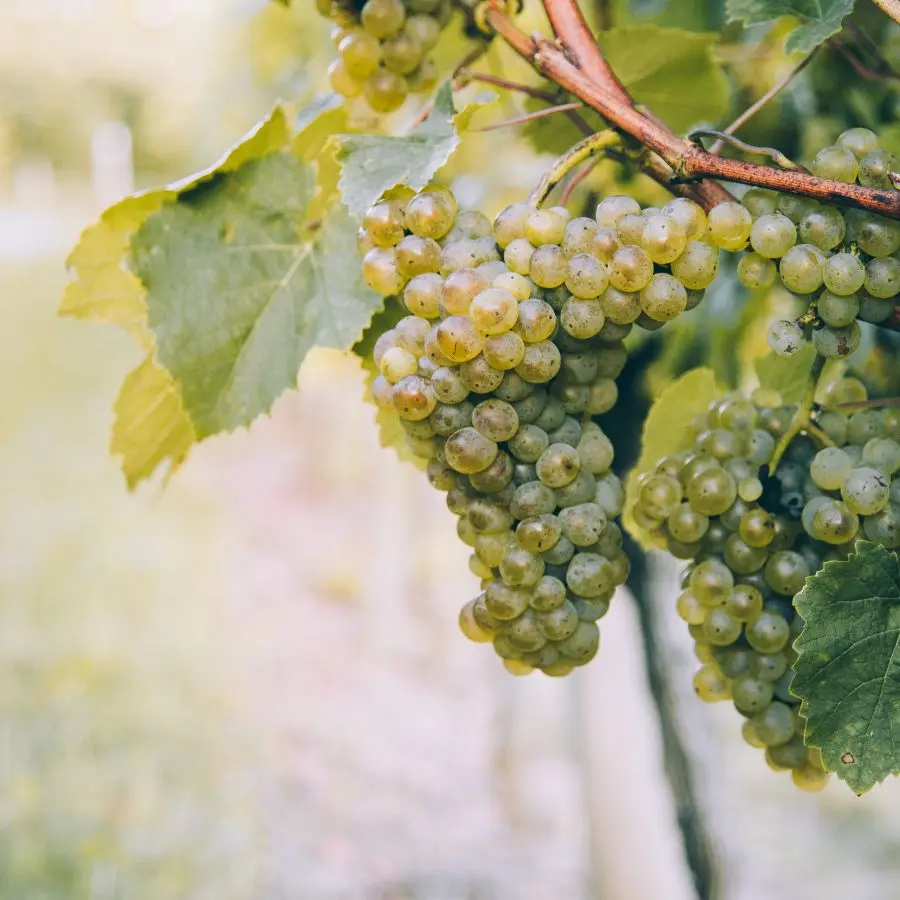
Txakoli: the white wine that gives a taste of the Basque Country in every high pour
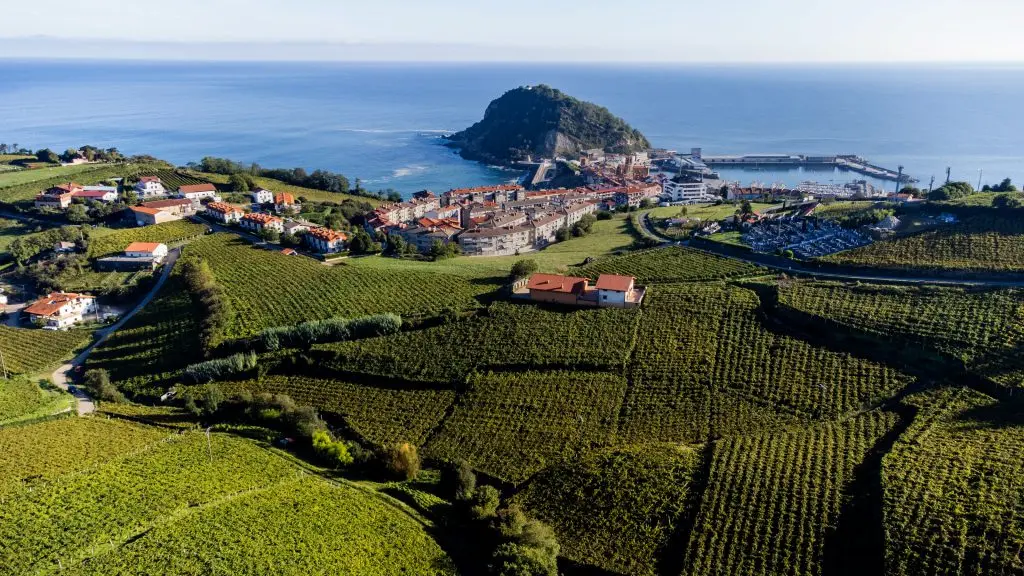
Anyone who’s had the pleasure of driving through the Spanish Basque Country — shimmering Bay of Biscay Atlantic Ocean on one side, verdant hills undulating into towering peaks on the other — will have noticed vineyards clinging to hillsides and trailing along cliffs. Coastal vineyards! Vineyards that add yet another textured splash of green to this already multilayered, lush landscape.
Upon closer inspection — best done with the mouth (and the nose) — you’ll discover that these grapes, known as txakoli in the local dialect (and thus adopted by the rest of the world), produce a white wine unlike any other. Tart, lightly spritzy (especially when poured from a height, as is the local custom that we dare not break), aromatic, but also loaded with minerality and a briny kiss from the pounding Atlantic Ocean. It’s almost as if Txakoli captures the Basque Country in every glass — a mix of green, sharp, salty, bubbly, and mysterious.
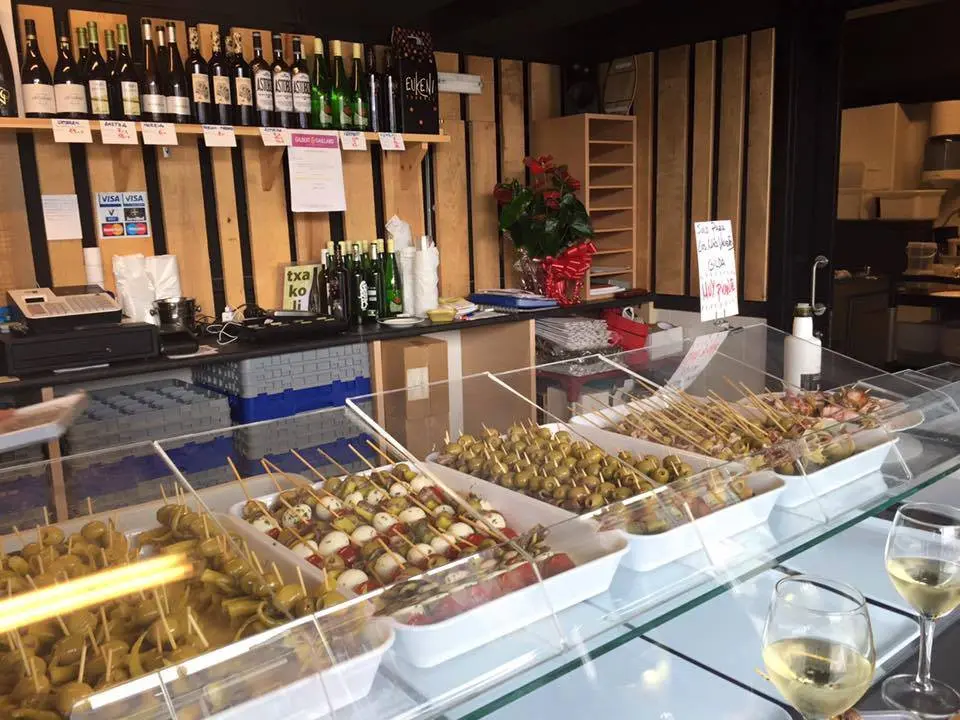
Now you, brave traveller, find yourself in one of the many old towns that huddle in the coves along this coastline. The streets are abuzz, filled with people eating, drinking, and chatting outside the bars. The mood is electric. Inside, the bars are built cosy to withstand the frequently brutal winters. On the benchtops, an array of snacks awaits — pintxos, Basque tapas so named for the toothpicks that hold them together.
There you’ll find mushrooms in garlic and parsley oil, chistorra — a skinny, paprika-packed, oily sausage — and all manner of bites built around guindilla peppers, anchovies, and olives (see: the iconic Gilda). But the stars of the show come from the sea: urchins, prawns, cod, and all the shellfish. And with these, nothing pairs like Txakoli. Ask for a glass and the bartender will pour it with flair — high above their head into a small, stemless tumbler, letting it rebound off the sides and fizz into life at the bottom.
They’ll only pour a little, because you’re meant to drink it quickly, while it’s cold and bright. Let the tartness sting a little, let it wash through your mouth like a storm — cutting, lifting, enhancing the salt and fat of the seafood. And then you’ll understand. You’ll know why Txakoli belongs here. And maybe, just maybe, you’ll have glimpsed one of the many mysteries of the Basque people, who’ve called this stretch of coastline home for millennia.
What is Txakoli?
Txakoli (pronounced cha-ko-lee) is a wine as wild and fresh as the Basque coast it comes from. It’s typically a white wine — though rosé and red versions exist — made from indigenous Basque grapes, most notably Hondarrabi Zuri (white) and Hondarrabi Beltza (red). But it’s not just the grape that defines Txakoli — it’s a style, a culture, and an entire attitude towards drinking.
Light, crisp, and bursting with natural acidity, Txakoli is often slightly sparkling, either from a natural pétillance (thanks to a bit of residual CO₂) or from the way it’s poured — dramatically, from a height, to aerate the wine and enhance the effervescence. That distinctive pour? It’s not just for show (though it’s great theatre) — it softens the acidity, wakes up the aromatics, and adds a bit of froth to the glass.
Txakoli is made to be drunk young, usually within a year of bottling, and is traditionally low in alcohol (hovering around 10–11.5%). It’s the kind of wine you sip with friends over pintxos, preferably standing elbow-to-elbow in a busy bar with sardines on toast in one hand and your glass in the other.
For locals, it’s more than a wine — it’s a ritual. For visitors, it’s often a revelation. Bright, briny, and totally unapologetic, Txakoli doesn’t try to be anything but what it is: fiercely local, effortlessly refreshing, and the ultimate palate-awakener.
Why Txakoli is unlike anything else in Spanish wine
Most Spanish wines conjure up images of sun-baked vineyards, ripe fruit, oak barrels, and structured reds — not vineyards clinging to foggy Atlantic cliffs. Txakoli flips the script: it’s low-alcohol, mouth-puckeringly tart, and refreshingly saline. It’s the wine equivalent of a cold ocean swim — bracing, invigorating, and a bit wild. There’s no other wine in Spain so unapologetically coastal, so tied to the sea, or so defined by its own cultural bubble. And that’s why we love it.
Txakoli Wine Fast Facts
-
Primary grape varieties: Hondarrabi Zuri (white) and Hondarrabi Beltza (red, used in rosado and minor red production)
-
Origin: Basque Country, Northern Spain — mainly in the DOs of Getariako Txakolina, Bizkaiko Txakolina, and Arabako Txakolina
-
Typical ABV: 10.5–11.5% — light and lively, but not weak
-
Style: Crisp, high-acid, low-alcohol, often with a natural spritz
-
Best served: Very cold, freshly opened, and poured from a height for aeration and flair
-
Drink window: Almost always young — within one or two years of bottling for max freshness
-
Name variations: You’ll see Txakoli, Txakolina, and even Chacolí in Spanish — they all point to the same thing
What’s with the name?
“Txakoli” is what you’ll hear in casual conversation and local bars. “Txakolina” is the more formal Basque-language version that often appears on labels and DO documents — the -na suffix roughly means “the” in Basque. So Txakolina is literally “the Txakoli.” You might also see Chacolí, the Castilian spelling, on older or non-Basque references. But if you want to sound like you’ve been to San Sebastián more than once, stick with Txakoli.
How to identify a Txakoli?
You don’t need to be a sommelier to spot a Txakoli — you just need to be paying attention. This is a wine that announces itself with a zing, not a whisper.
What does Txakoli look like?
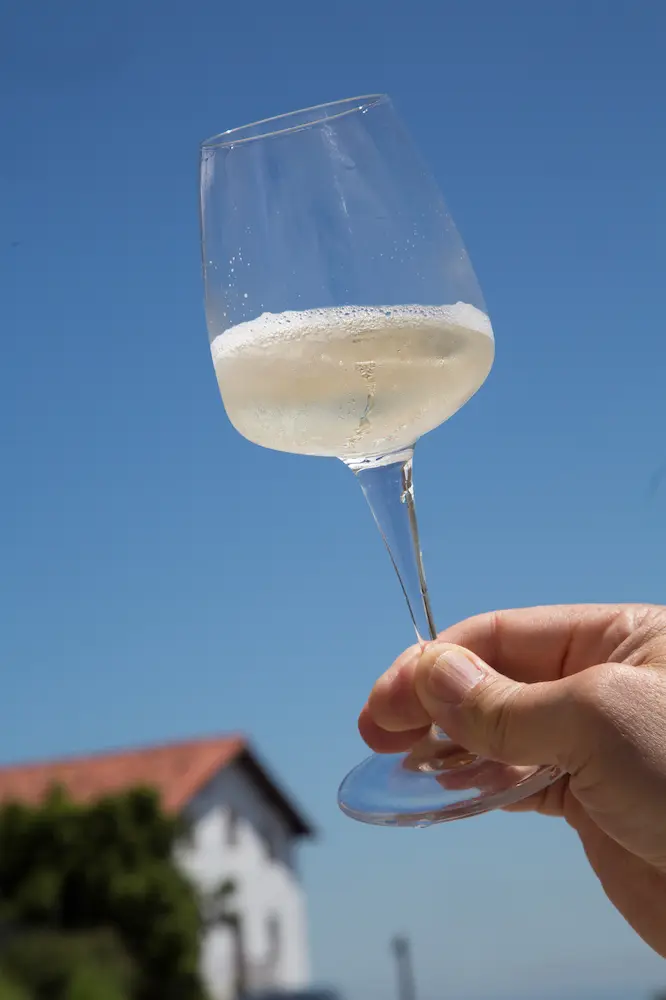
Txakoli is usually pale lemon or greenish in hue, and in the glass, you’ll often see a faint spritz — not quite bubbles like a cava, but a little sparkle that hints at the zippy freshness to come. The pour helps too: it’s traditionally served in short, wide glasses with a dramatic, arcing splash from a bottle held well above the rim, which enhances that slight fizz and gives it a subtle frothy crown.
If you’re drinking rosé Txakoli (Txakoli rosado), expect a very pale salmon colour, often lighter than you’d find in Provence, and almost always clearer than the richer rosados from Navarra or Rioja.
What does Txakoli feel like in my mouth?
Electric. That’s the first word most people reach for. Txakoli hits with a rush of acidity that makes your mouth water instantly — which is exactly what makes it so brilliant with salty seafood and rich pintxos. It’s light-bodied, very dry, and has a natural lean minerality that cuts through oil and fat like a katana.
The slight fizz adds to the textural interest. Think of it like a gentle tongue-tingle rather than a full-blown sparkle. Some bottles will have more pétillance than others, depending on how they were bottled and how fresh they are.
What does Txakoli smell like?
On the nose, Txakoli is like a sea breeze through a citrus grove. Expect aromas of lime zest, green apple, underripe pear, fresh herbs (like tarragon or lemon balm), and sometimes a salty edge that smells like oyster shell or wet stones. Some styles — especially those aged on lees or fermented in concrete or oak — may add more texture or yeasty complexity, but the vast majority are all about aromatic brightness and marine energy.
If you’re drinking rosé or red Txakoli, you might also get wild strawberry, cranberry, or tart cherry, always underpinned by that trademark lift of acidity and minerality.
Alcohol level of Txakoli
Txakoli is delightfully modest in booze. Most bottles sit somewhere between 10% and 11.5% alcohol, which means you can have a few glasses at lunch and still make it to your afternoon plans with your dignity intact. This lower alcohol content is part of what makes it so refreshing — and so dangerous if you’re not pacing yourself with some solid snacks.
Where is Txakoli Grown?
Txakoli (or Txakolina, to give it its full Basque title) might feel niche, but it has a firm grip on some of the greenest, most dramatically coastal wine-growing zones in Spain. And though it’s still very much a local affair, the buzz around Txakoli is growing — and so are the vineyards.
The Three Denominations of Origin for Txakoli
There are three DOs (Denominaciones de Origen) that officially produce Txakoli in the Basque Country. Each brings its own spin, but all share the salty air, lush green landscapes, and high-acid, low-alcohol charm.
1. DO Getariako Txakolina (Getaria) – The Classic
-
Location: Hugging the rugged coast near San Sebastián (Donostia), Getaria is the OG home of Txakoli.
-
Grape: Almost entirely Hondarrabi Zuri (white), with the odd red Hondarrabi Beltza showing up.
-
Style: Super fresh, sharp, and light — often with that characteristic spritz. This is the style most people think of when they think of Txakoli. Poured from height, meant to be drunk young, and made for seafood.
2. DO Bizkaiko Txakolina (Bizkaia) – The Broader Palette
-
Location: Near Bilbao, spreading inland and along the coast.
-
Grape: Still led by Hondarrabi Zuri, but with more experimentation — you’ll also see other permitted white grapes (like Folle Blanche or Petit Courbu) and some more structured reds.
-
Style: Often a little rounder and more complex than Getaria’s version. Sometimes lees-aged or given more winemaking attention. It’s still bright and lively, but with a slightly wider flavour range — think orchard fruit, herbs, and salinity.
3. DO Arabako Txakolina (Álava) – The Inland Outsider
-
Location: Set away from the coast in Álava, the Basque province better known for its Rioja Alavesa reds.
-
Style: Because it’s inland and slightly warmer, the wines can have a little more body and tropical character. You still get the acidity, but it’s often slightly toned down.
Other Regions Planting Hondarrabi Zuri
-
Navarra & Cantabria: Some neighbouring regions are tentatively trying their hand at producing Txakoli-style wines, sometimes under different names.
-
International: A few brave growers in Oregon, New Zealand, and Chile are playing around with Hondarrabi Zuri — but Txakoli’s charm is deeply rooted in its home turf. Anywhere else feels like a cosplay.
How Is Txakoli Made?
Txakoli is made with one goal in mind: zippy, lip-smacking freshness. These are not wines meant for ageing in the cellar — they’re made to be drunk young, cold, and often, preferably with something salty or from the sea. The winemaking is minimalist, but not lazy — there’s real intention behind the chill.
Grape Variety: Hondarrabi Zuri (and Friends)
The dominant grape is Hondarrabi Zuri, a local white variety that thrives in the cool, damp climate of the Basque coast. It ripens slowly, keeping its high acidity and delicate flavours — think citrus, green apple, herbs, and sometimes a whiff of the ocean.
Some producers also work with:
-
Hondarrabi Beltza: a red grape, often used to make rosado or light reds (still super rare).
-
Petit Courbu, Folle Blanche, or Riesling: in tiny percentages in Bizkaia for added texture.
Fermentation: Stainless Steel & Cool Temps
-
Fermentation usually happens in stainless steel tanks to preserve all those crisp aromatics and bright acidity.
-
Cool temperatures keep things lean and refreshing.
-
In the past, fermentation often finished with a touch of CO₂ still in the wine — which is what gave Txakoli its natural spritz. These days, many producers intentionally keep or add it, either from the tank or just a soft fizz from bottling early.
Lees Ageing (Sometimes)
Some producers in Bizkaia and Álava age their wines on the lees (the dead yeast cells from fermentation) for a short period to give Txakoli a bit more mouthfeel and complexity, without losing that signature zing.
Bottling: Young and Fresh
-
Most Txakolis are bottled within a few months of harvest — usually by the spring following vintage.
-
Drink within a year or two for best results. This is wine that wants to party now, not in 2030.
How to Serve and Enjoy Txakoli
The Height of the Pour (Literally)
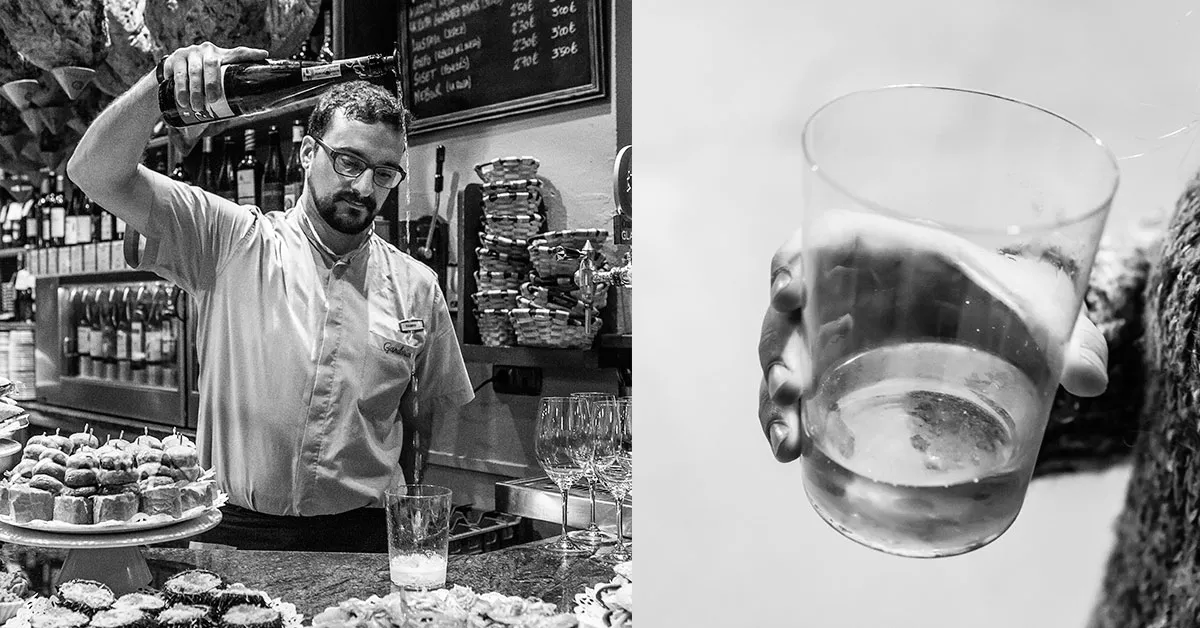
If you’ve ever ordered Txakoli in a Basque bar, you’ll know the ritual: the bottle is lifted well above the head, the glass is held low and tilted, and the wine is poured in a narrow stream that splashes against the inside of the glass. It’s not just for show — although yes, it does look cool. The high pour introduces natural aeration, bringing out the aromas and softening that fierce acidity just a touch. Bonus: it also reawakens the subtle fizz that tends to disappear after bottling.
If you’re serving it at home and don’t quite trust your coordination (or your floors), you can buy a special Txakoli pourer — or just give it a confident, mid-air splash into a wide glass. No shame in that.
Temperature: Keep it Cold
Txakoli should be served cold, ideally between 6–8°C (43–46°F). This helps sharpen its zippy acidity and preserves the delicate aromatics. Think of it like a super-refreshing lager — the colder, the crisper.
Glassware: Forget the Fancy Stuff
Locals drink it from small stemless tumblers, not delicate stemware. These little glasses are easy to swirl, easy to pass around, and just the right size for Txakoli’s signature short pours — meant to be drunk quickly and refilled often. If you’re at home and want to go traditional, grab a short glass and pour small. If you’re fancy, a white wine glass will do, but don’t overthink it.
Storage and Shelf Life
Txakoli is not a wine to lay down. It loses its charm quickly, so drink it within a year or two of bottling. Once opened, keep it chilled and finish it within a day or two. (Honestly, it’s rare to leave a bottle unfinished — especially if pintxos are involved.)
What to Eat with Txakoli?
Seafood, Glorious Seafood
Txakoli and seafood are a match made in maritime heaven. The wine’s acidity, minerality, and gentle fizz slice through oil and salt like a sabre through butter. Top pairings include:
-
Anchovies in vinegar (boquerones): acidity-on-acidity but somehow in perfect harmony.
-
Grilled sardines: oily, smoky, salty — Txakoli is the palate cleanser you need.
-
Octopus (pulpo a la gallega or a la plancha): tender meat, a lick of paprika, and briny sweetness.
-
Cod (bacalao) in all its forms — from salted and fried to folded into croquetas.
Pintxos: The Perfect Playground
Pintxos are the Basque version of tapas, often skewered and served atop slices of bread. Txakoli thrives with:
-
Gilda: the OG pintxo — green olives, guindilla peppers, and anchovy. Salty, spicy, umami-rich.
-
Chistorra sausage: spicy, fatty, and punchy, balanced by the wine’s zippy freshness.
-
Mushrooms with garlic: earthy flavours lifted by Txakoli’s citrus bite.
-
Tortilla or cheese-based pintxos: richer snacks benefit from the wine’s acidity and sparkle.
Beyond the Basque Country
Outside its homeland, Txakoli shines with:
-
Sushi and sashimi: acidity and salinity mirror the sea.
-
Ceviche: citrus and seafood — a natural pairing.
-
Fried food: calamari, fish and chips, or tempura — the spritz resets your palate like magic.
-
Soft cheeses: young goat’s cheese, burrata, or mozzarella work well with Txakoli’s sharp edges.
Pro tip: think salty, fatty, fishy, or funky — and you’ll probably find a perfect match.
A Brief History of Txakoli
Txakoli (or Txakolina if we’re being formal) isn’t some trendy newcomer muscling its way onto wine lists with a flashy pour and a salty spritz — this wine has been around for centuries. The first records pop up in the Middle Ages, when Basque farmers were making rustic, sour wines from the local grapes clinging to their sloped plots. Back then, Txakoli was a farmhouse affair: made in small batches, drunk locally, and rarely shipped beyond the village border. It was tangy, rough, and a bit cloudy — but it did the job.
By the 19th century, almost every Basque farmhouse had a small vineyard out back. But industrialisation, phylloxera, and urban migration hit the region hard, and by the mid-20th century Txakoli was nearly extinct. It was the drink of grandfathers — not sommeliers — and fewer and fewer vines were planted.
But the Basques are nothing if not stubborn, and local producers fought to revive the tradition. They modernised vineyard practices, cleaned up the winemaking, and focused on quality — without losing the wine’s signature tang and snap. In the late 20th century, things started to turn around. The creation of DO Getariako Txakolina in 1989 (soon followed by Bizkaiko and Arabako) helped put it back on the map, and the wine that was once nearly forgotten is now the life of the pintxo party.
Today, Txakoli has fans far beyond Euskadi. But it still tastes like home.
Common Myths About Txakoli
Even among seasoned wine lovers, Txakoli gets misunderstood. Let’s clear up a few fizzy fibs and sour assumptions.
Myth 1: Txakoli is Always Fizzy
Nope. While many Txakolis have a slight effervescence — especially those from Getaria — that spritz isn’t a hard rule. It’s more a result of bottling with a touch of CO₂ or intentional preservation of natural gases. Some producers lean into it; others don’t. So while a fresh-poured Txakoli might prickle on the tongue, not all versions are carbonated, and the fizz usually fades fast.
Myth 2: If You Don’t Like Sour Wines, You Won’t Like Txakoli
Wrong again. Yes, Txakoli tends to be zippy and tart, but it’s not sour in the way your face puckers from a lemon. The acidity is balanced by minerality, fruit, and a hint of salinity. When paired with food (especially seafood), the acidity becomes its superpower — cleansing, refreshing, and appetite-boosting rather than abrasive.
Myth 3: Txakoli is Just a Summer Wine
A fair assumption — it’s cold, crisp, and usually low-alcohol. But in the Basque Country? It’s year-round. Locals sip it in winter with hot pintxos just as easily as they do seaside in summer. And when you realise how well it pairs with rich seafood and salty snacks, you’ll understand: Txakoli isn’t seasonal. It’s situational. And that situation is any time you want your palate slapped into happiness.
Frequently Asked Questions About Txakoli
Is Txakoli a grape or a style of wine?
Txakoli (or Txakolina) is not a grape, but a style of wine made mostly from the Hondarrabi Zuri grape (and sometimes a splash of Hondarrabi Beltza or others). It’s fresh, tart, often a little fizzy, and deeply tied to its Basque roots.
Why do they pour Txakoli from so high?
Because it’s fun. But also — aeration. That theatrical high pour helps release the aromatics and create a natural sparkle in the glass. Plus, if you’re behind the bar and can pour like that, you instantly look 50% cooler.
Does all Txakoli taste salty?
Not salty like seawater, but saline, yes. It’s the Atlantic influence — sea breezes, ocean spray, and the kinds of foods it’s made to go with. The result is a wine that tastes like the coast: bright, briny, and clean.
Is Txakoli sweet or dry?
Dry. Always dry. You might get some fruity notes (green apple, lemon, herbs), but there’s no residual sugar to speak of. If you’re after sweet white wines, look elsewhere — Txakoli’s here to refresh, not coddle.
Can I age Txakoli?
Don’t. It’s made to be drunk young — fresh, cold, and vibrant. Age it and you’ll lose what makes it magic. Think “buy now, drink now, repeat often.”
Is Txakoli vegan?
Most likely yes, but it depends on the producer. Some may use fining agents that aren’t vegan-friendly (like egg whites), so if that’s a deal-breaker, look for wines certified vegan or check the bodega’s site.
Is there red Txakoli?
Yep. It exists — made from Hondarrabi Beltza — but it’s rare and can be pretty rustic. Some newer producers are playing around with it, so if you see it, give it a go. Just don’t expect it to be anything like its white sibling.
How do you pronounce Txakoli?
Like “cha-ko-LEE” — the “Tx” in Basque is a “ch” sound. Say it right and you’ll sound like you’ve been sipping pintxos and wines in San Sebastián for years.
