
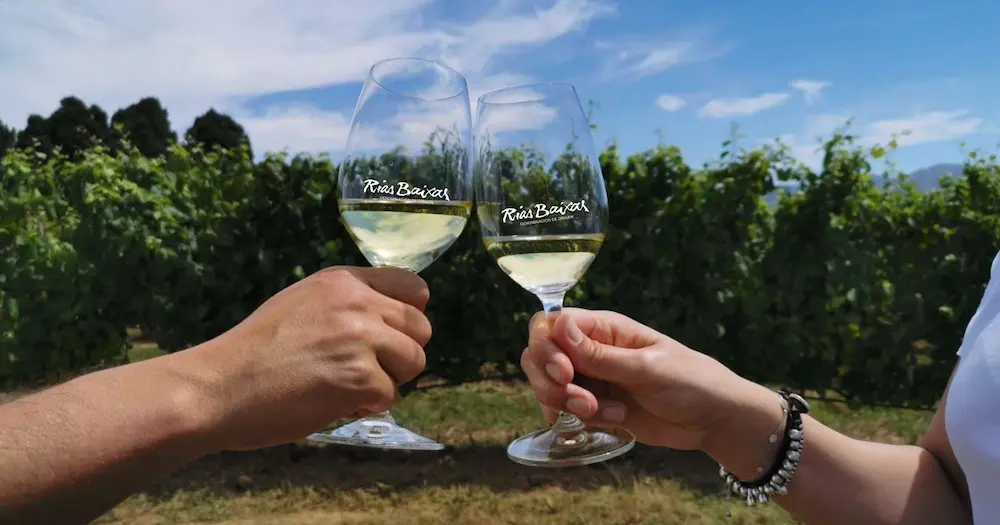
If you were to follow the greenest roads of Spain to their wet and westerly end, you’d find yourself in Galicia — not the sun-baked Spain of flamenco and fiestas, but one of rain, rivers, and relentless Atlantic breeze. And right there, tucked along the coast like a secret, is Rías Baixas.
This is Albariño country. A place where vines grow up on granite pergolas to keep their feet dry, where clouds roll in off the sea and swirl through the valleys, and where wine smells like salt, stone fruit, and spring flowers. It’s not your classic Spanish wine region — and that’s exactly why we love it.
There’s something raw and romantic here. Fishing boats bob in misty harbours. Forested hills tumble into fjord-like rías. Celtic music drifts through cobbled streets. It’s old-world magic — with fresh, modern wine. And once you sip a chilled glass of Albariño by the sea, you’ll get it.
This is your guide to Rías Baixas — the place, the wines, the flavours, and the people who make them.

What is Rías Baixas and why does it matter?
Tucked into the misty, sea-lashed corner of Spain’s northwest, Rías Baixas is the land where Galicia kisses the Atlantic — and where some of Spain’s most exciting white wines are born. It’s a region defined by its coastal rías, or fjord-like inlets, which wind their way inland from the ocean, tempering the climate and feeding the soils with salinity and life. This is the green Spain, the opposite of the scorched plains and sunbaked vineyards many picture when they think of Spanish wine. Here, the rains fall often, the seafood is sacred, and the wines are built to dance alongside both.
Rías Baixas is the undisputed heartland of Albariño — the crisp, citrusy, ocean-licked white grape that has made this region world-famous. While Albariño has gained traction elsewhere in Spain and even in the New World, it’s here, between the vines trained on granite pergolas and the cold Atlantic waters, that it achieves something close to perfection. And as the global palate has shifted towards fresher, lighter, more mineral-driven wines, Rías Baixas has gone from local favourite to international darling — a region that put Spanish whites back on the map and shook off the outdated notion that Spanish vino blanco was all oak, oxidation, and little else.
But Rías Baixas is more than just the home of Albariño. It’s a place where wine is deeply entwined with daily life — poured alongside the day’s catch in seaside towns, sipped in leafy plazas to the soundtrack of Galician bagpipes, and made by generations of families who know the rhythms of their vines like they know the tides. It’s a region that matters not only for what it produces, but for how it makes you feel when you drink it: fresh, free, and deeply connected to a place that lives and breathes wine.
Rías Baixas Wine Fast Facts
Primary grape variety: Albariño reigns supreme, making up over 90% of plantings. But keep an eye out for lesser-known locals like Loureiro, Treixadura, Caiño Blanco, and even the odd red like Sousón or Caiño Tinto — a reminder that this land’s wine story runs deeper than a single variety.
Region of origin: Galicia, Spain’s lush northwest corner. Rías Baixas stretches along the Atlantic coast from the Portuguese border up to just south of Santiago de Compostela, and is broken into five subzones (more on those later).
Climate: Cool, humid, and maritime. Think misty mornings, rainy winters, and fresh Atlantic breezes that keep everything crisp and green. Perfect conditions for preserving acidity in the grapes and growing wines with electric freshness.
Typical ABV: Most Rías Baixas wines sit comfortably between 12% and 13% alcohol — enough to carry flavour and texture without weighing things down.
Winemaking style: Mostly stainless steel to showcase purity and freshness, though some winemakers are experimenting with lees ageing, oak, or skin contact to add texture and complexity.
Serving style: Always cold. Usually young. Often poured with a sense of occasion — especially when seafood is on the table. No dramatic pours from great heights like Txakoli, but just as refreshing and food-friendly.
Label to look for: If it says Albariño Rías Baixas DO, you’re in good hands. Many bottles highlight the subzone too — Salnés Valley, Condado do Tea, or O Rosal — which can hint at style. Bottles labelled simply “Albariño” without DO credentials can be hit or miss in terms of quality.
Best enjoyed with: Oysters, octopus, razor clams, sardines, mussels, or even a good wedge of tetilla cheese. Basically anything that reminds you the ocean’s not far off.
What Does Rías Baixas Wine Taste Like?
Take a sip and you’re instantly transported to the Galician coastline — salty breeze, citrus trees, and a touch of wildness in the air. Rías Baixas wines, especially those made from Albariño, are celebrated for their zippy acidity, mouthwatering salinity, and bright, aromatic profile.
At their core, these wines are light-bodied, dry, and brimming with citrus and orchard fruit — think lemon zest, green apple, pear, and sometimes a tropical nudge of pineapple or melon. The best bottles balance this fruit with a stony minerality and a savoury, sea-spray tang that practically begs for seafood.
But there’s more range than people expect. Wines from Val do Salnés tend to be the sharpest and most saline, O Rosal and Condado do Tea bring riper fruit and sometimes a rounder, fuller mouthfeel, and the rare lees-aged or oaked Albariños can surprise with texture and depth.
Some wines are crisp and simple, made to be drunk young and cold — perfect with a plate of pulpo a la gallega. Others are more serious, structured, even age-worthy, showing a honeyed, nutty character with a few years under cork.
And don’t sleep on the blends or the reds. Loureiro and Treixadura can add floral lift or stone fruit weight, while rare reds from Sousón or Espadeiro bring tangy red berry flavours with earthy, herbal undertones — wines that whisper of forest walks and ancient vines, far from the tourist trail.
In short? Rías Baixas wines are alive, vibrant, and unapologetically Atlantic.

The Subregions of Rías Baixas
Val do Salnés: The Salty Soul of Albariño
This is the beating heart of Rías Baixas and its most famous subregion. Hugging the coast around Cambados (the self-proclaimed Albariño capital), Val do Salnés is all about granite soils, cool Atlantic winds, and a raw salinity that shines through in the wines. Expect bright acidity, lemon-lime zest, green apple, and that telltale coastal twang. This is textbook, straight-shooting Albariño — fresh, linear, and made to be drunk cold with oysters.
O Rosal: Floral and Fleshy
Slide south along the Miño River near the Portuguese border and you’ll find O Rosal, where the wines are often blended with local grapes like Loureiro and Caiño Blanco. The climate here is a little warmer and more sheltered, which means riper fruit, more perfume, and a slightly softer mouthfeel. Think white peach, jasmine, and a rounder, almost creamy texture. Still zippy, but with a flirtier side.
Condado do Tea: Inland Heat and Structure
Further upriver and further inland, Condado do Tea is warmer and hillier, producing some of the fullest-bodied wines in the region. Blends are also common here, and the Albariño has a more tropical bent — ripe pear, mango skin, and a touch of spice. Wines from Condado can age beautifully, developing honeyed and nutty notes while holding onto acidity.
Soutomaior: The Hidden Gem
Tiny but mighty, this granite-rich subregion near Pontevedra was the last to be added to the DO in 1996. It’s small, with just a handful of producers, but the wines can be piercingly fresh and mineral. If you find a Soutomaior bottle, it’s worth snapping up — this is artisanal, micro-production territory.
Ribeira do Ulla: Cool Climate Comeback Kid
To the north, Ribeira do Ulla is the most recent addition to Rías Baixas (2000) and sits slightly inland, near Santiago de Compostela. It’s cooler and wetter, and while it was once seen as second-tier, producers here are pushing quality hard. Expect a more restrained, almost Chablis-like expression of Albariño — citrus peel, wet stones, and a whisper of Atlantic fog.
What Wines Should You Seek Out from Rías Baixas?
If you’re only associating Rías Baixas with one kind of Albariño, you’re missing the full picture. This DO isn’t a one-trick pony — it’s a dynamic, evolving region with wines that range from sprightly and coastal to rich and complex. Here’s what to look for:
Classic Albariño from Val do Salnés
When people think Albariño, this is usually what they’re imagining: crisp, saline, and citrus-driven wines that taste like they’ve been bottled straight from the ocean breeze. Go for producers in Cambados and around Meis or Ribadumia. You’ll find lemon zest, crunchy green apple, sea spray, and that laser-beam acidity that makes these wines dangerously drinkable.
Look for:
-
Paco & Lola (modern and widely exported)
-
Zárate (more artisanal, with serious complexity)
-
Pazo de Señorans (an icon — age-worthy and elegant)
Blended Beauties from O Rosal
These are aromatic, slightly rounder whites that often include Loureiro and Caiño Blanco. The blends bring extra florality, sometimes with a hint of spice or herb. Great for people who want a bit more perfume and body in their glass.
Try:
-
Terras Gauda – one of the most respected producers in the subregion
-
Bodegas La Val – accessible, food-friendly wines with great texture
Textured, Age-Worthy Wines from Condado do Tea
These can be bolder, riper wines, sometimes blended but also increasingly made as varietal Albariño. The inland warmth gives more stone fruit and even tropical notes, but with that signature Galician acidity still intact. Some producers here are leaning into oak ageing or lees work to produce wines with real cellar potential.
Seek out:
-
Señorío de Rubiós – known for blending tradition with modern styles
-
Bodegas As Laxas – their Albariños are complex and structured, good with food and age
Mineral-Driven Micro-Lots from Soutomaior and Ribeira do Ulla
If you want to feel like a wine insider, track down bottles from these lesser-known zones. Soutomaior’s wines are often steely, saline, and low-production, while Ribeira do Ulla can offer subtle, slow-burn wines that are gaining attention for their finesse.
What to Look For Outside Spain
Thanks to Albariño’s global rise, you’ll find Rías Baixas wines in most decent wine shops abroad. The trick is to check the subregion (if listed), vintage, and whether it’s a blend or 100% Albariño. Wines from Val do Salnés and O Rosal dominate exports, so you’re likely to find those.
Look for labels that mention:
-
“Albariño de Rías Baixas”
-
Subregion (especially Val do Salnés or O Rosal)
-
Reputable importers (like Skurnik or Eric Solomon in the U.S., Bibendum in the UK)
Finding Good Value Bottles
Prices for Rías Baixas Albariño have crept up with popularity, but value still exists:
-
Avoid ultra-cheap supermarket bottles that lack DO markings.
-
Look for wines from cooperative producers — especially in Condado do Tea or Ribeira do Ulla.
-
Consider younger vintages (Albariño is often best young) and less famous producers who don’t spend big on marketing but put everything into the wine.
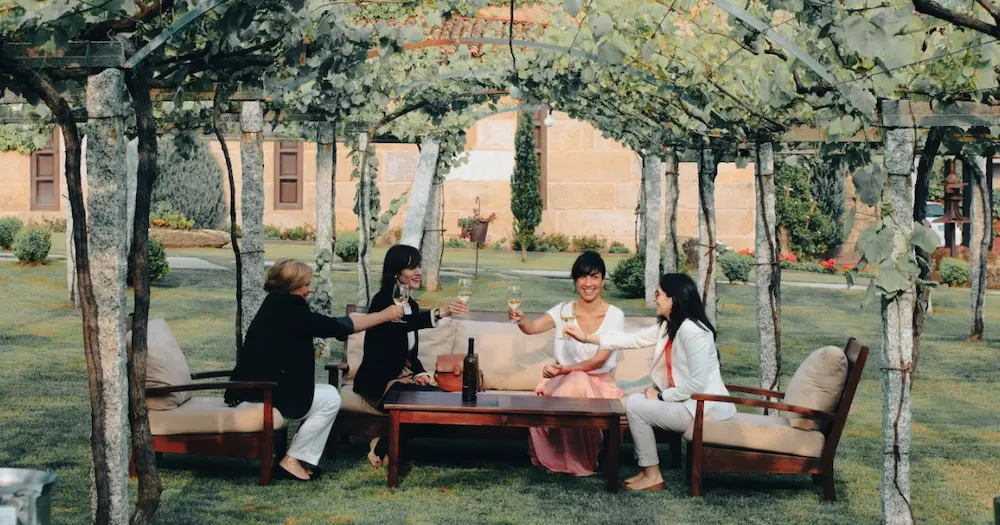
DIY Rías Baixas Wine Route: A 3-Day Itinerary
Day 1: Val do Salnés
-
Base: Cambados (stay here)
-
Wineries: Pazo de Señorans, Bodegas del Palacio de Fefiñanes, Martín Códax
-
Food Stops: Mariscos in O Grove, tapas crawl in Cambados
-
Activity: Walk the Ruta do Viño or take a boat tour of the Ría de Arousa with shellfish tasting on board.
Day 2: O Rosal
-
Drive scenic coast road south past A Guarda
-
Wineries: Terras Gauda, Lagar de Cervera, Quinta de Couselo
-
Food Stops: Lunch by the sea at Oia, dinner in Tui (try lamprey in season)
-
Activity: Walk the Camiño Portugués or visit the Santa María de Oia monastery ruins.
Day 3: Condado do Tea
-
Base: Stay in a rural casa near Salvaterra do Miño
-
Wineries: Señorío de Rubiós, Bodegas As Laxas
-
Food Stops: Rustic lunch at a winery or riverside picnic with local cheese, chorizo & bread
-
Activity: Swim or kayak in the Miño River, or cross into Portugal for the fun of it.
A Short History of Rías Baixas Wine
The story of Rías Baixas wine starts long before it had a name or a Denomination. Vines have clung to the steep granite slopes and sandy soils of Galicia’s western coast for over a thousand years. Some say Albariño arrived with Cluny monks on the pilgrimage routes of the 12th century; others argue the grape is native, born of this damp, sea-lashed land. Either way, it’s been here long enough to adapt to the maritime microclimate and make itself essential to local life.
For centuries, viticulture in the region was small-scale and deeply tied to family farms and religious communities. Wine was consumed locally, rarely bottled, and often overshadowed by the area’s other exports — seafood and dairy. In fact, until fairly recently, most people outside of Galicia would never have heard of Albariño, let alone be able to pronounce it.
That all began to change in the 1980s, when Spain was rethinking its wine landscape and recognising regional specialities. In 1988, Rías Baixas gained official DO (Denominación de Origen) status, and Albariño began its rise from local table staple to international darling. The DO created subzones based on terroir differences — Val do Salnés, Condado do Tea, O Rosal, Ribeira do Ulla, and most recently Soutomaior — allowing winemakers to showcase the diversity within this small but complex region.
Since then, Rías Baixas has become the face of Spain’s new generation of white wines: crisp, Atlantic-influenced, and fiercely tied to place. It’s no longer the country cousin to Rioja or Ribera. It’s now a must-know name for anyone serious about Spanish wine — or anyone who’s ever fallen in love with a bottle of Albariño over a seafood lunch by the sea.
How Albariño is Made: Winemaking Styles and Classifications in Rías Baixas
The winemaking approach in Rías Baixas is driven by one central aim: to preserve Albariño’s freshness, purity, and sense of place. This is not a region for over-manipulation — winemakers here know they’re sitting on gold, and their job is to let it shine.
Stainless Steel as Standard
Most Albariño is fermented in stainless steel tanks. This method protects the grape’s natural acidity and vibrant aromatics — think citrus, white peach, saline. Fermentation temperatures are carefully controlled to retain the delicate fruit and floral notes. The result? Wines that are clean, zippy, and bursting with coastal character.
Skin Contact and Lees Ageing
Some producers experiment with skin contact or ageing on the lees (those dead yeast cells that fall to the bottom after fermentation). Lees ageing adds texture and complexity, giving Albariño a creamy, almost nutty richness while still keeping that bright spine of acidity. Think of it like extra seasoning — not essential, but when done right, it elevates the whole thing.
Oak? Rare, But It Happens
Oak isn’t traditional here, but a few bold producers play with it. The risk is smothering the grape’s finesse, but when oak is used judiciously — often older, neutral barrels — it can round out the mouthfeel and introduce subtle spice or toast. These wines are more about curiosity and craftsmanship than mass appeal.
Sparkling Albariño and Other Innovations
There’s also a growing interest in sparkling Albariño — both traditional method and pét-nat styles — and even some still wines made with natural or biodynamic practices. These remain niche, but they reflect a dynamic, forward-thinking region that isn’t afraid to break its own mould.
No Grand Classification System — Yet
Unlike Rioja or Ribera del Duero, Rías Baixas doesn’t use a formalised ageing classification like Crianza or Reserva. Instead, the region relies on vintage, subzone, and the producer’s name to signal quality and style. That said, a quiet hierarchy is forming: single-vineyard wines, old vine designations, and limited-edition bottlings are increasingly common. You just have to know what you’re looking for — or trust someone who does.
FAQs About Rías Baixas and Albariño Wine
What grape is Rías Baixas best known for?
Rías Baixas is famous for Albariño, a white grape known for producing crisp, aromatic wines with citrus, stone fruit, and salty sea-spray notes. It’s the star of the region and makes up over 90% of production.
What makes Albariño from Rías Baixas special?
The combination of cool Atlantic climate, granite soils, and traditional vine training systems (like pergolas) gives Rías Baixas Albariño its signature freshness, minerality, and subtle salinity. It’s a wine that tastes like where it’s from.
Are all Rías Baixas wines white?
Pretty much. Rías Baixas is overwhelmingly a white wine region, with Albariño in the lead. But small amounts of other white varieties like Loureiro, Treixadura, and Caiño Blanco are allowed, and you might spot an experimental red or two if you’re lucky.
How do I serve Rías Baixas wines?
Serve Albariño cold — around 8–10ºC — and in a white wine glass to preserve those zesty aromatics. No need to decant; these wines are best young, fresh, and lively.
What food goes best with Albariño from Rías Baixas?
Seafood is your best friend here — think grilled prawns, oysters, clams, scallops, and octopus. It’s also great with sushi, light Thai dishes, or simple lemony roast chicken.
Can I visit wineries in Rías Baixas?
Absolutely. Many wineries are open for tours and tastings, especially in the Val do Salnés and O Rosal subzones. Look out for the Rías Baixas Wine Route (Ruta do Viño) for an easy way to explore.
What’s the best time to visit Rías Baixas?
Late spring through early autumn (May–September) is ideal. You’ll get warm days, festivals like the Cambados Albariño Fair, and the vineyards in full swing. Autumn harvest season can also be magical.
Is Albariño from Rías Baixas available outside of Spain?
Yes — and it’s growing in popularity worldwide. Look for bottles labelled “Rías Baixas DO” and keep an eye out for producers like Martín Códax, Pazo de Señorans, and Paco & Lola for good quality at various price points.
