
If you’ve ever looked at a Spanish wine label and thought, What the hell is a DO and why is it shouting at me?, you’re not alone. Denominación de Origen, or DO, is one of those wine terms that sounds more intimidating than it actually is.
In reality, it’s Spain’s way of telling you where your wine comes from, what it’s made of, and how it was produced — a kind of quality control meets origin story, stamped onto the bottle.
Think of it like Champagne in France, Parmigiano Reggiano in Italy, or Tequila in Mexico. If it’s got the DO, it’s got the credentials. And in Spain, those credentials run deep.
In this guide, we’ll break down what a DO actually is, where the system came from, what it covers (and what it doesn’t), and how you can use it to make smarter, tastier wine choices — without needing a diploma in Iberian bureaucracy.
What Is a Denominación de Origen (DO)?
At its simplest, a Denominación de Origen is a certified label that tells you a product comes from a specific place and follows specific rules. You’ll find DOs on cheese, ham, olive oil, saffron, and plenty of other fancy things — but the most famous use is on wine.
A DO guarantees that:
-
The wine comes from a clearly defined geographic area
-
It’s made using approved grape varieties
-
It’s been produced under regulated methods
-
It’s passed quality checks by a local governing body (Consejo Regulador)
So when you see something like DO Rías Baixas or DO Toro on a label, you’re not just getting a name — you’re getting a snapshot of origin, style, and intent.
It’s not a tasting note, and it’s not a promise of greatness. But it’s a great place to start when you’re staring at a wall of unfamiliar bottles.
Why DOs Matter for Wine Drinkers
The Spanish wine shelf can be a minefield of mystery — and DOs are your map.
They matter because they:
-
Help you know what to expect in the bottle
-
Give you clues about grape variety, style, and ageing
-
Tell you a wine has met a minimum standard — which is handy in a country that produces billions of litres of vino every year
-
Protect traditional regions and methods from being diluted by industrial mass-production
For example:
-
DO Rías Baixas? Expect crisp, citrusy Albariño.
-
DO Toro? Bold, ripe, high-alcohol Tempranillo.
-
DO La Mancha? Probably volume wine, but maybe a hidden gem.
Once you understand DOs, you can read between the labels — and start choosing wine based on knowledge, not guesswork.
A Very Brief History of DOs in Spanish Wine
Spain’s DO system might sound modern, but it’s rooted in centuries of regional pride and winemaking tradition. People here have always been fiercely local about their food and drink — long before acronyms got involved.
1925: The First DO is Born
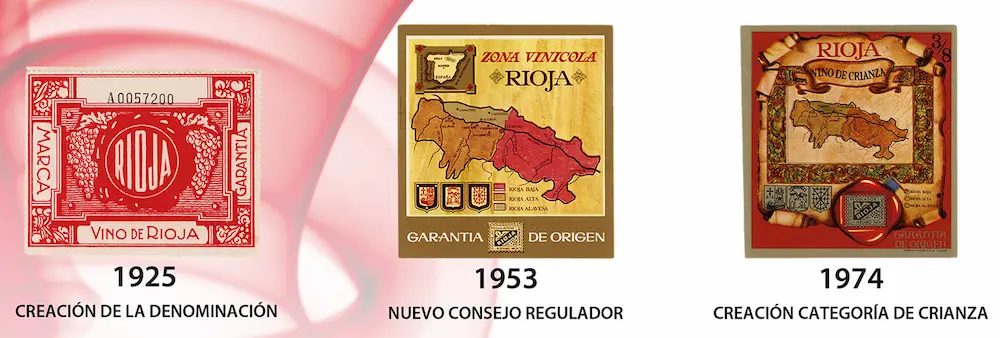
The concept of Denominación de Origen was made official in 1925, when Rioja became Spain’s first protected wine region. It was a way to protect the region’s reputation as Spanish wine gained recognition abroad, and to stop dodgy producers from capitalising on the name.
Not long after, Jerez (Sherry) followed, and the idea began to catch on — especially after wine fraud scandals in the early 20th century started to sour the market.
Mid-Century to Modernisation
By the 1970s, more DOs were popping up across Spain, and each region’s Consejo Regulador (regulatory council) became responsible for setting its own rules — covering everything from grape varieties to ageing requirements to labelling.
Then came Spain’s entry into the European Union in 1986, which prompted reforms to better align with EU standards — including the creation of a new top tier: the Denominación de Origen Calificada (DOCa).
1991: DOCa Rioja
In 1991, Rioja was elevated to DOCa status, the first region to earn it, recognising its consistency, prestige, and tight quality controls. It was followed later by Priorat, and remains one of only two DOCa regions in the country.
The Present Day
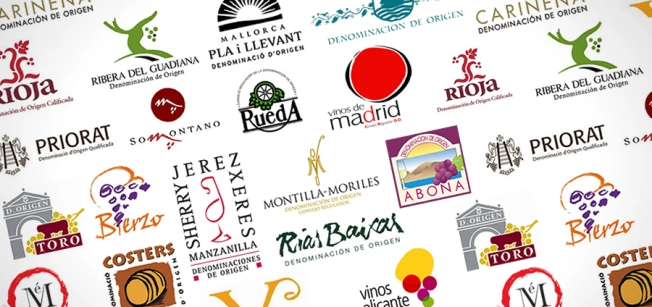
Now, Spain has a layered classification system with 70+ wine DOs, two DOCas, and other categories like Vino de Pago and Vino de la Tierra. The structure reflects both tradition and innovation — even as more winemakers choose to work outside the DO system to preserve creative freedom.
What started as a regional safeguard has become one of the most recognisable and important frameworks in Spanish wine — and a key to understanding what’s in your glass.
The Current State of DOs in Spain
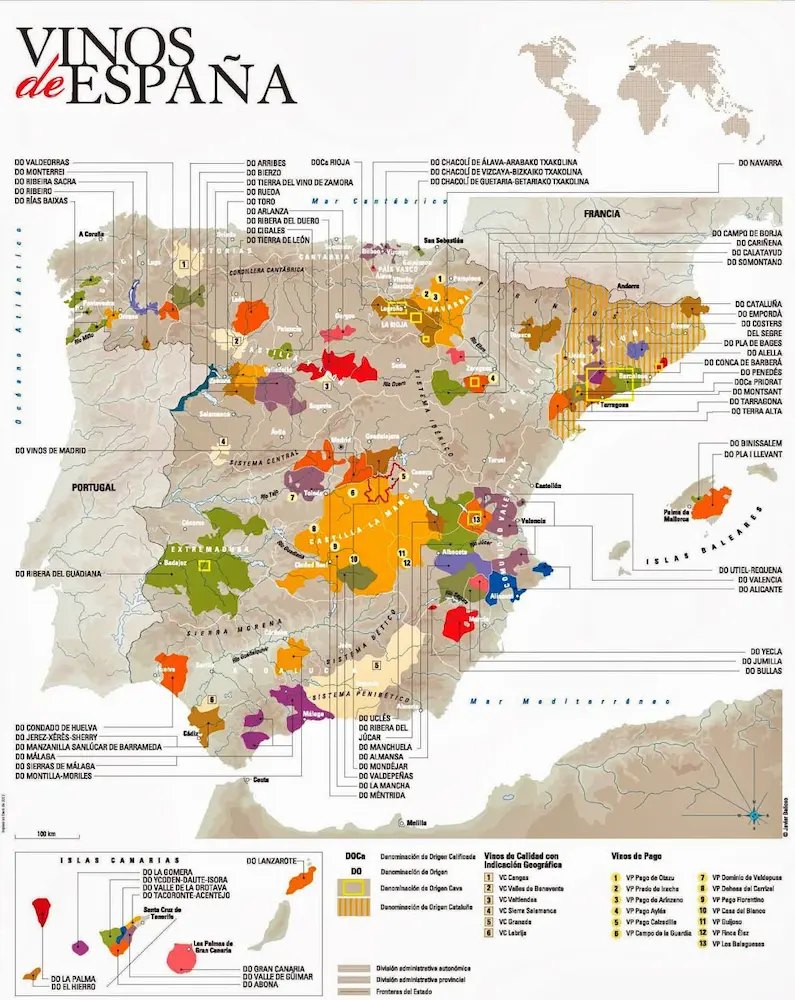
Spain’s wine classification system has grown into one of the most extensive in the world. What began with Rioja now covers almost every corner of the country — from the misty coast of Galicia to the volcanic soils of the Canary Islands. And while it can feel a bit bureaucratic, the structure helps protect what makes Spanish wine so diverse and regional.
The Core Categories
Here’s the current lay of the (wine) land:
-
DOCa / DOQ (Denominación de Origen Calificada / Qualificada)
-
Spain’s top-tier designation
-
Must have held DO status for at least 10 years with a consistent track record of quality
-
Only two regions have it:
-
Rioja (DOCa)
-
Priorat (DOQ) – the Catalan version of the term
-
-
-
DO (Denominación de Origen)
-
VP (Vino de Pago)
-
The most boutique designation
-
For single estates with proven quality and unique terroir
-
Must bottle on site and grow all grapes on the estate
-
There are around 20+ Vinos de Pago, mostly in Castilla-La Mancha and Navarra
-
-
VT (Vino de la Tierra)
-
Roughly equivalent to France’s Vin de Pays
-
Broader geographical zones with more flexibility
-
Often a home for innovation and natural wine
-
Examples: Castilla y León VT, Andalucía VT
-
-
Vino de Mesa (Table Wine)
-
No region, no rules — the wild west of Spanish wine
-
Can be bottom-shelf or rebel winemaker brilliance in disguise
-
How Big Is the DO System?
-
70+ DOs
-
2 DOCas
-
20+ VPs
-
Covers almost 100% of Spain’s serious wine production
-
Overseen nationally by the Ministerio de Agricultura, but managed regionally by each DO’s Consejo Regulador
From high-volume regions like La Mancha to tiny, mountainous zones like Ribeira Sacra, there’s a DO for just about every grape-growing square metre of Spain.
What Does a DO Actually Control?
A Denominación de Origen isn’t just a fancy label — it’s a rulebook. Every DO in Spain has its own set of regulations, enforced by a Consejo Regulador (regulatory council). These rules cover everything from what grapes you can grow to what’s allowed on the front of the bottle.
Here’s what a DO typically controls:
1. Geographic Boundaries
Each DO has strict borders. If your vineyard lies just outside, you can’t use the name — even if your wine tastes exactly the same. That’s the whole point: location matters.
2. Grape Varieties
Not all grapes are allowed everywhere. For example:
-
Albariño is permitted in DO Rías Baixas, but not in DO Rioja.
-
Tempranillo is everywhere, but Maturana Blanca is unique to certain zones.
This keeps regional identity strong — and limits blending with global grapes unless allowed.
3. Viticultural Practices
DOs may regulate:
-
Maximum yields per hectare (to prevent overcropping)
-
Planting density and vine training
-
Harvest dates or rules on when grapes can be picked
All with the goal of maintaining quality and typicity.
4. Winemaking Methods
Some DOs specify:
-
Whether fermentation must be in stainless steel or oak
-
Minimum or maximum alcohol levels
-
Rules for sparkling wine methods (e.g. Cava’s traditional method only)
In Rioja and Ribera del Duero, for example, the rules even cover how long a wine must age in barrel and bottle for it to be called Crianza, Reserva, or Gran Reserva.
5. Labelling & Marketing
Every bottle from a DO must pass a sensory evaluation and technical test before it’s approved. Once it passes:
-
It gets the official DO label sticker (that little band on the neck or back)
-
Certain claims can be made (e.g. Crianza, organic, single vineyard)
-
Some labels are banned from saying things that mislead about origin or style
It’s strict — sometimes frustratingly so — but it keeps consistency, trust, and regional identity alive.
Sidenote: The Cava Exception — or Confusion
Most DOs are tied to a single, continuous region, but DO Cava is the odd one out. While over 90% of Cava is made in Penedès, the DO also includes zones in Rioja, Valencia, Aragón, and even Extremadura.
So you could drink two bottles of “Cava” made hundreds of kilometres apart — from entirely different climates, altitudes, and soil types — and still have them labelled under the same DO.
This geographic sprawl has led some top producers to leave the DO and form stricter, terroir-based sparkling groups like Corpinnat and Clàssic Penedès, which are limited to Catalonia only and require organic practices and estate bottling.
So yes, location matters — but in Spain, the rules sometimes stretch more than the map.
The DO Hierarchy Explained
Spain’s wine classification system looks complicated at first — but it’s really just a ladder of origin and regulation. The higher you go, the stricter the rules and (in theory) the better the wine. But don’t be fooled: greatness can be found at every level.
Here’s the hierarchy, from most regulated to least:
| Classification | What It Means | Examples |
|---|---|---|
| DOCa / DOQ | Denominación de Origen Calificada (or Qualificada in Catalan). The highest classification — must have held DO status for at least 10 years, with proof of consistent quality. | Rioja, Priorat |
| DO | Denominación de Origen — Spain’s standard protected designation. Each DO sets its own rules for grapes, ageing, and production. | Rías Baixas, Toro, Jumilla, Cava |
| VP (Vino de Pago) | Estate-specific classification for unique vineyards that produce top-quality wine outside DO boundaries. Must be grown, made, and bottled on-site. | Pago de Carraovejas, Pago de Otazu |
| VT (Vino de la Tierra) | More flexible, regional classification. Fewer restrictions, often used for experimental or non-traditional wines. | Castilla y León VT, Andalucía VT |
| Vino de Mesa | Table wine. No origin guarantee or rules — sometimes basic, sometimes wild and wonderful. | That bottle your uncle made in his garage |
Important Notes:
-
DOCa wines must be bottled within the region
-
Vino de Pago is a prestige mark, but not all top wines carry it
-
Some winemakers choose VT or Vino de Mesa to avoid DO restrictions — especially natural, biodynamic, or rebel producers
In short: higher doesn’t always mean better, but it usually means more rules, more oversight, and a clearer idea of what you’re getting.
DOs vs Style: Not All Wines Fit in the Box
While the DO system is meant to protect regional identity, it can also limit creative winemakers who want to colour outside the lines. That’s why some of Spain’s most exciting wines aren’t labelled DO at all — and why style doesn’t always align with classification.
Why Some Winemakers Skip the DO
Here’s why you might find an incredible bottle labelled as Vino de la Tierra or even Vino de Mesa:
-
They’re using a grape not approved in the DO
-
They’re not ageing it long enough (or too long) for DO categories
-
They’re experimenting with natural winemaking, amphorae, or pét-nats
-
They just don’t want to deal with the bureaucracy
-
They believe terroir > tradition, and prefer to tell their own story
This doesn’t mean the wine is low quality — quite the opposite. Some of Spain’s most cutting-edge producers are deliberately choosing flexibility over conformity.
Examples of Great Wines Outside the DO System
-
Corpinnat – A collective of sparkling wine producers who broke away from DO Cava. They focus on organic farming, long ageing, and 100% Catalan grapes. Technically not DO — but often higher quality.
-
Clàssic Penedès – Another breakaway sparkling category from Penedès, with stricter rules than DO Cava.
-
Some natural winemakers in Rioja – They skip the DOCa label to use ancient methods, skip sulphites, or bottle without ageing categories.
-
Up-and-coming Vino de la Tierra regions – Like Castilla y León VT, where winemakers are reviving old Garnacha, Albillo, and Mencía vines in wild mountain plots.
What It Means for You
-
If you’re a beginner, DOs are a great starting point — they’ll help you learn what styles come from where.
-
But once you’ve got your footing, don’t be afraid to go off-label. Some of Spain’s most soulful, original wines live outside the DO grid.
-
As always: trust your palate, not just the sticker on the neck.
Should You Always Trust a DO Label?
Short answer? No — but it helps.
A DO label is not a guarantee of greatness. It’s a sign that the wine was made within a certain set of rules, in a recognised place, with authorised grapes and methods. That’s it.
Sometimes that means excellent quality. Sometimes it means middle-of-the-road. Occasionally it means meh — because a wine can still meet the minimum standards and be totally forgettable.
On the flip side, some of Spain’s most expressive, authentic wines don’t carry a DO label at all. So…
-
Use the DO as a clue, not a crutch
-
Let it guide your expectations, not dictate your choices
-
And if something’s labelled Vino de la Tierra but tastes like angels singing, don’t overthink it
Final Sip: What DOs Really Mean for You
Spanish wine is vast, varied, and sometimes confusing. The Denominación de Origen system exists to help us make sense of it — and to protect the regional stories in every bottle.
Now that you know the basics:
-
You can navigate wine lists and labels with more confidence
-
You can start to recognise which regions match your taste
-
And you can explore off the beaten path without getting lost
Because at the end of the day, DOs aren’t there to tell you what to drink. They’re just the map.
You’ve still got to choose your own adventure — preferably with a glass in hand.
Denominación de Origen FAQs
What is a Denominación de Origen (DO)?
A Denominación de Origen is Spain’s official classification system that protects the quality and origin of wines from a specific geographic area.
How does Spain’s DO system compare to other countries?
It’s similar to France’s AOC and Italy’s DOC — a way to regulate what grapes can be grown and how the wine is made to ensure authenticity and quality.
What are the different classification levels in Spanish wine?
The main tiers are: Vino de Mesa, Vino de la Tierra (IGP), Denominación de Origen (DO), and Denominación de Origen Calificada (DOCa), with Vino de Pago as a special estate-level designation.
Is a higher classification always better?
Not necessarily. A low-classification wine can be amazing, and some cutting-edge producers avoid higher designations to maintain winemaking freedom.
How many DOs are there in Spain?
There are currently over 70 DOs and two DOCas (Rioja and Priorat), covering most wine regions in Spain.
