

Everything you need to know about the three faces of Spain’s most iconic wine region. For the full Ultimate Guide to La Rioja head here.
Why Subregions Matter in Rioja
When you think of Rioja, you might picture a deep, oaky tempranillo and call it a day. But one bottle from Haro won’t taste like one from Alfaro — and there’s a very good reason for that.
La Rioja isn’t just one place. It’s three distinct subregions: Rioja Alta, Rioja Alavesa, and Rioja Oriental. Each with their own climate, geography, grapes, and wine styles. Each with a personality worth exploring — in the glass and on the ground.
Unlike other famous wine regions (like Ribera del Duero or Bordeaux), Rioja’s diversity is officially recognised in its classifications and increasingly highlighted on labels. The differences are so stark that winemakers often plant different grapes in different subzones and even bottle single-vineyard wines that reflect a particular hillside, soil, or microclimate.
This is where things get exciting — and a little geeky, in the best way. Understanding these subregions isn’t just about improving your palate, it’s about unlocking the full story of Spanish wine.
Rioja Alta: The Heart of Tradition
Location & Landscape
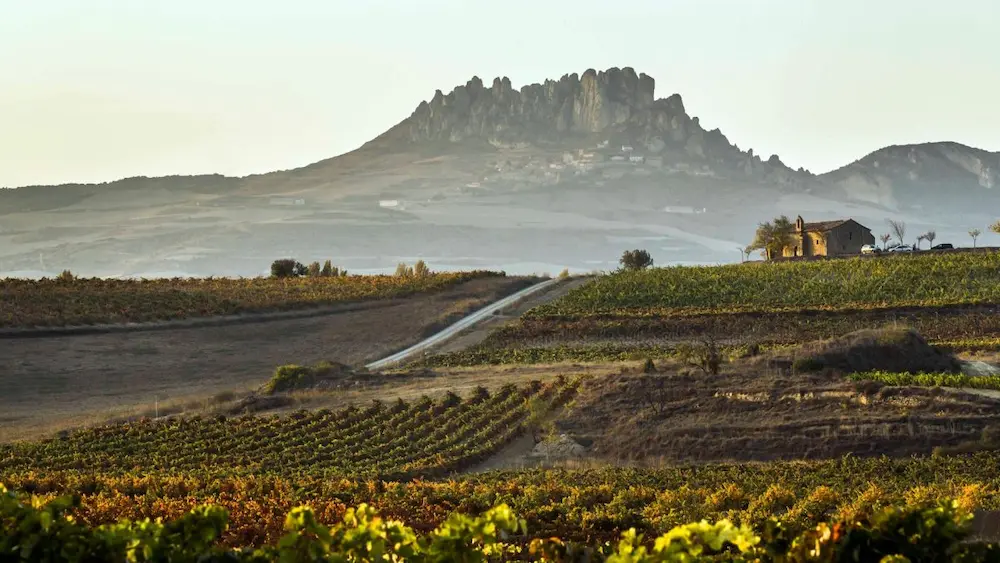
Rioja Alta is the westernmost of the three subregions, hugging the upper reaches of the Ebro River around towns like Haro, San Asensio, Briones, and Cenicero. It sits at a higher elevation than its Rioja neighbours (hence Alta, or “high”) — with vineyards typically ranging between 400 and 600 metres above sea level.
This altitude, combined with Atlantic influences and cooler nights, slows the ripening of grapes and gives wines a signature elegance.
Wine Style
Wines from Rioja Alta are often what people picture when they think of classic Rioja reds. These are the age-worthy beauties with bright red fruit, medium acidity, and spicy, earthy undertones. The structure leans more towards balance than boldness, with silky tannins and plenty of life for ageing — especially in oak.
It’s the home of the long-ageing Gran Reserva and the flagship territory of many of the region’s most famous names.
Notable Towns & Producers
-
Haro is the beating heart of Rioja Alta — home to the Barrio de la Estación, where some of Spain’s most iconic wineries line up side by side: La Rioja Alta, CVNE, López de Heredia, Muga, and Roda.
-
Cenicero houses another Rioja giant: Marqués de Cáceres.
-
Other producers worth tasting: Bodegas Bilbaínas, Bodegas Beronia, and Viña Ardanza (a brand of La Rioja Alta).
Why Visit
Rioja Alta is the easiest subregion to visit for a first-time traveller:
-
Haro is well-connected by train from Logroño or Bilbao.
-
Many wineries here offer visits, tastings, and even underground cellars with ancient barrels.
-
The architecture swings from traditional stone to contemporary masterpieces.
-
It’s the ideal base for exploring the region — and also the starting point of Swallow Don’t Spit’s Camino de Vino adventure.
Rioja Alavesa: The Cool, Classy Cousin
Location & Landscape
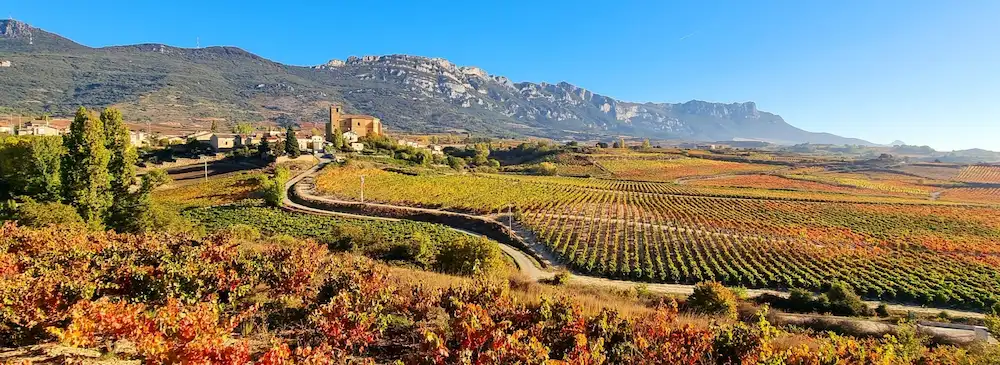
Sitting just across the Ebro River from Rioja Alta, Rioja Alavesa is technically part of the Basque Country, which gives it a distinct cultural flair and a bit more independence in both winemaking style and attitude.
Vineyards here are planted at similar elevations to Rioja Alta — between 400 and 700 metres — but with limestone-rich soils and often smaller vineyard plots carved into hillside terraces. The climate is cooler and wetter than the rest of Rioja, which leads to longer ripening seasons and more finesse in the fruit.
Wine Style
Rioja Alavesa wines are known for being fresher, more aromatic, and slightly more acidic than their neighbours — with a focus on elegance over power.
You’ll often find:
-
Youthful reds with vibrant red fruit and fine tannins.
-
More single-vineyard expressions.
-
Winemakers experimenting with concrete eggs and minimal intervention techniques.
These wines tend to feel a bit Burgundian in spirit, especially in the hands of new-generation producers.
Notable Towns & Producers
-
Laguardia and Elciego are the main hubs.
-
Laguardia is a medieval hilltop town hiding underground cellars beneath its cobbled streets.
-
Elciego is home to the futuristic Marqués de Riscal winery, with its shimmering Frank Gehry-designed building.
-
-
Other names to know: Artadi (though they controversially left the DOCa), Bodegas Baigorri, Izadi, and Luis Cañas.
Why Visit
-
The region offers breathtaking views of the Sierra Cantabria mountains.
-
You get that Basque flair in the food, language, and hospitality.
-
Laguardia is easily reachable from Logroño or Vitoria-Gasteiz by car, and it’s a favourite for cycling wine tourists.
-
The villages are more boutique and scenic, great for a romantic detour or a wine-fuelled wander.
Rioja Oriental: The Bold and the Sunny
Location & Climate
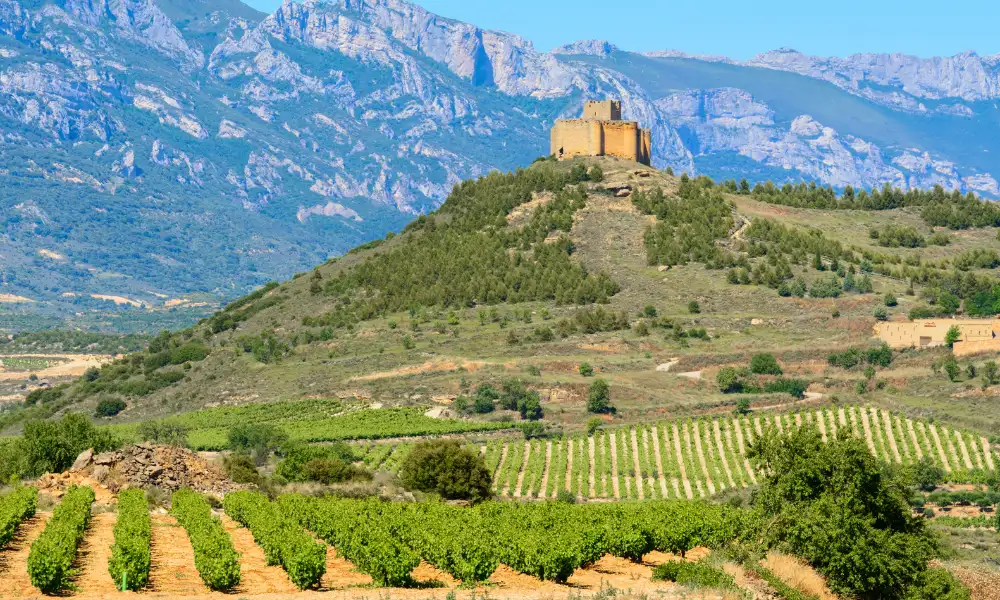
Formerly known as Rioja Baja, the Rioja Oriental subregion sprawls out to the east of Logroño, hugging the Ebro River as it starts to leave Rioja and head toward the Mediterranean. It’s lower in altitude and warmer in temperature, with a stronger Mediterranean influence compared to the Atlantic vibes in Alta and Alavesa.
We’re talking hotter days, less rainfall, and more sunshine hours, which makes it ideal for full-bodied, ripe styles of wine.
Grape Varieties & Style
This is Garnacha (Grenache) country. While Tempranillo still holds ground, Garnacha loves the heat and dominates the landscape here — especially for bold, fruit-forward wines.
Expect:
-
Higher alcohol, juicier reds, and bolder tannins.
-
Less oak ageing in traditional houses, more young drinkers’ wines and modern styles.
-
Whites made with Viura and Malvasía, but they play second fiddle to the reds.
Who’s Who & What’s What
-
Towns like Calahorra, Alfaro, and Aldeanueva de Ebro act as key centres.
-
Wineries to look for: Bodegas Ontañón, Bodegas Alvia, Viñedos de Alfaro.
-
More and more organic and sustainable producers are setting up shop here thanks to the dry climate and ideal ripening conditions.
Why It Matters
-
Rioja Oriental has sometimes had a lesser reputation, but that’s changing fast.
-
It’s a hotbed for experimentation, younger winemakers, and single-varietal Garnacha expressions.
-
The affordability and drink-now quality of wines from here make them a smart choice for those just getting into Rioja reds.
Climate Change and the Future of Rioja’s Subregions
Rioja is feeling the heat — literally. As global temperatures rise, harvests are happening earlier, grapes are ripening faster, and altitude is becoming a winemaker’s best friend. This means Rioja Alta and Alavesa, with their cooler climates and higher elevations, are becoming increasingly valuable for preserving acidity and elegance in wines. In contrast, Rioja Oriental is adapting with drought-resistant varieties and a renewed focus on Garnacha.
Read more in our full guide to climate change and Spanish wine
Which Rioja Subregion Should You Visit?
-
Rioja Alta: For lovers of history, tradition, and serious cellar tours. Think grand bodegas, oak barrels stacked to the ceiling, and that classic Rioja structure. It’s also home to Haro, making it the perfect spot to join La Batalla del Vino – the wildest wine fight you’ll ever (barely) remember.
-
Rioja Alavesa: For boutique wine, picturesque villages, and modern innovation. The hilltop town of Laguardia is a must-see, and this is where our Camino de Vino walks through — combining scenic strolls, storytelling, and stunning sips.
-
Rioja Oriental: For sun-drenched vineyards, bold Garnacha wines, and off-the-beaten-path adventures. You’ll find fewer tourists and more room to explore — plus juicy reds that pack a punch.
FAQs About Rioja’s Subregions
Is Rioja Alavesa part of La Rioja?
Technically, no. It belongs to the Basque Country, but it’s one of the three official subregions of the Rioja DOCa.
Why was Rioja Baja renamed Rioja Oriental?
To shed its reputation as the “lesser” region and reflect a more modern, global-facing identity. Plus, “Oriental” simply means “eastern” — a nod to its geography.
Are wines labelled by subregion?
Some are! Especially as more producers aim to highlight terroir and differentiate their styles, you’ll see terms like Rioja Alta or Alavesa on bottles. But it’s not universal — always check the label carefully.
Which subregion produces the best wine?
That depends on what you’re into. Alta and Alavesa often get top billing for age-worthy wines, but Oriental is killing it with value Garnacha and bold new-wave reds. It’s not about “better” — it’s about what fits your vibe.
How do I tell where my Rioja wine comes from?
Look for small print on the label or back label — it may mention the bodega location, grape sourcing, or use terms like Rioja Alta. If in doubt, a quick search of the producer usually gives the answer.
Final Sip: Why This Trio Matters
Understanding Rioja’s subregions isn’t just for wine snobs or trivia nights — it unlocks a whole new way to drink, travel, and connect with one of the world’s great wine regions. From the rolling hills of Alta, to the limestone magic of Alavesa, to the sun-blasted soul of Oriental, this trio gives Rioja its complexity and charm.
So next time you’re staring down a wall of Rioja bottles or planning a Spanish wine adventure, remember: where it’s from matters just as much as what’s inside.
